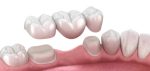
Dental crowns are one of the most reliable solutions in modern restorative dentistry. Designed to encapsulate and protect weakened, cracked, or severely decayed teeth, a custom crown restores both the structural integrity and natural appearance of your smile. However, while dental restorations are built for exceptional durability, they do not last forever.
If you are currently living with a crown or planning to get one, visiting a reputable dental clinic Edmonton patients trust is the best way to monitor its condition and ensure your bite stays healthy for years to come.
Understanding the expected lifespan of a restoration, knowing what causes wear over time, and recognizing the early warning signs of failure can help you avoid sudden discomfort and preserve the natural tooth structure underneath.
Average Lifespan of Dental Crowns
Ten to fifteen years is the average lifespan of a well-maintained dental crown. However, depending on oral factors, individual dental cleaning habits, and material quality, some crowns can last up to 20 years.
The exact longevity of your restoration depends heavily on several factors:
- Material Composition: Porcelain-fused-to-metal (PFM), full porcelain, zirconia, and gold alloys all possess different wear rates. Zirconia and metal-based options generally offer the highest resistance to heavy biting forces.
- Tooth Location: Compared to crowns on front teeth, crowns on rear molars are subjected to much higher biting pressure, which could hasten surface deterioration.
- Oral Hygiene Practices: Even while the crown itself cannot decay, the natural tooth beneath it and the gum line around it are still vulnerable to bacteria and plaque accumulation.
- Lifestyle and Habits: Unconscious habits like teeth grinding (bruxism), ice chewing, or using your teeth to open packages can severely shorten the life of your restoration.
Common Signs Your Crown Needs Replacement
The integrity of dental crowns in Edmonton may eventually be jeopardised by normal wear and physical strain. Early detection of minor warning symptoms helps avoid complicated dental crises and underlying bacterial infections.
- Visible Cracks, Chips, or Wear
If you feel sharp edges or see chipping, your crown’s protective seal is compromised and needs to be examined right away.
- A Dark Line or Gap at the Gumline
If your gums recede, a black line may show where your crown and root meet, making the tooth more prone to decay.
- Pain, Swelling, or Sensitivity
Usually, bacteria have gotten below and irritated the original tooth or nerve when you bite down and feel pressure or discomfort.
- A Loose or Wobbly Crown
Your crown may feel loose or move while you eat when the dental cement wears down. Get it resealed right away to shield the exposed tooth underneath.
Essential Maintenance Tips to Extend Crown Longevity
Protecting your investment requires simple, consistent habits. If you are asking how long crowns last, implementing these everyday care practices will significantly extend their lifespan:
- Practice Thorough Daily Hygiene: Clean the region surrounding the base of the crown with dental floss or an interdental brush, then brush with fluoride toothpaste at least twice a day.
- Wear a Protective Nightguard: A custom-fitting nightguard protects your restorations from excessive pressure if you clench or grind your teeth while you sleep.
- Avoid Using Teeth as Tools: Never use your crowned or natural teeth to tear open packaging, bite fingernails, or crunch on hard items like unpopped popcorn kernels.
- Keep Routine Dental Exams: Regular professional checkups and cleanings allow your dentist to evaluate the margins and stability of your crown before major issues develop.
Restore Your Comfort and Protect Your Smile
Maintaining your oral health requires paying attention to small changes in your gum line, bite, and restoration comfort. In addition to preventing unanticipated discomfort, timely treatment maintains the strength of your natural teeth.
Get in touch with Belle Rive Dental Clinic right now to arrange a comprehensive evaluation and maintain the health and brightness of your smile if you think your restoration is worn, loose, or damaged.
Frequently Asked Questions
Can a damaged crown be fixed, or do I need a new one?
Small surface chips can sometimes be smoothed out or patched up. But if the crown is cracked through or loose, replacing it is the best way to protect your natural tooth underneath.
Why does my old crown have a bad smell or taste?
This usually means the dental cement underneath has worn away, letting tiny bits of food and bacteria get trapped inside. It’s best to have it checked so we can clean the tooth and reseal it.
Does replacing a crown hurt?
Not at all! We completely numb the area beforehand so you stay comfortable while we gently remove the old crown and prep your tooth for a new one.
What happens if I ignore a loose or broken crown?
Postponing repair lets bacteria seep inside, which can cause severe decay, painful infections, or even damage the tooth beyond repair.