Can adults benefit from dental sealants, too? Many people think dental sealants are only for children, but some adults may benefit from them as well. Dental sealants are thin protective coatings applied to the chewing surfaces of teeth to help reduce the risk of cavities. They cover deep grooves and hard-to-clean areas where food and bacteria can collect. A dentist in Edmonton may recommend dental sealants for adults, depending on their oral health, cavity risk, and tooth condition.
Understanding how dental sealants work can help determine whether they may be a useful option for long-term cavity prevention.
What Are Dental Sealants?
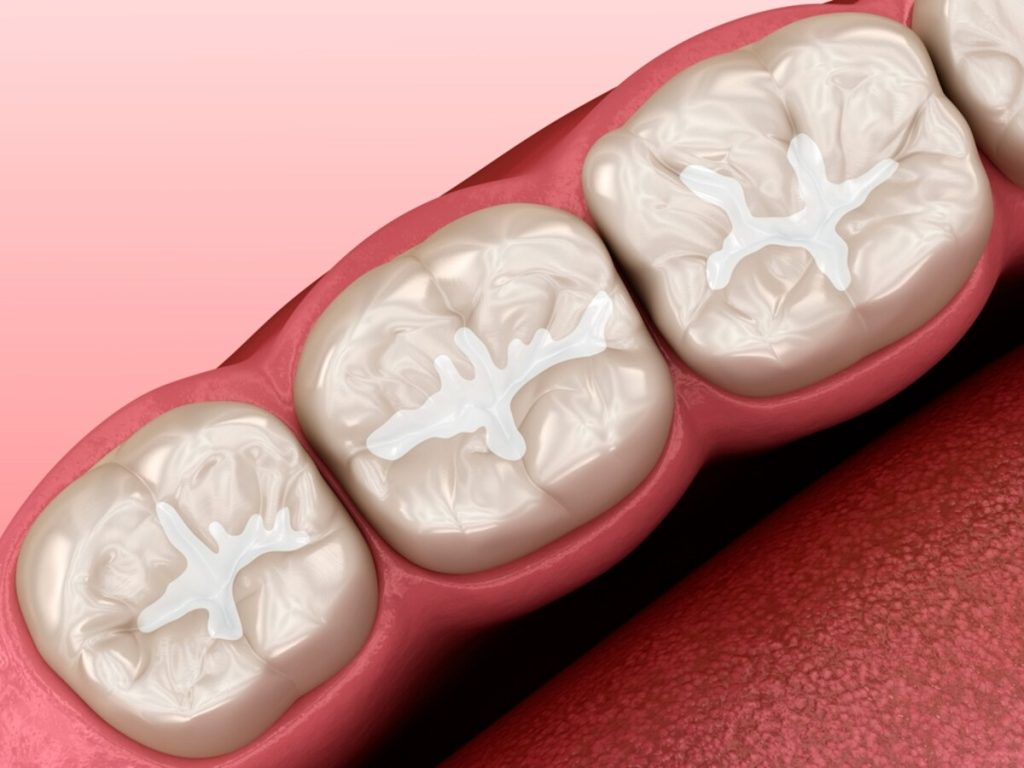
Dental sealants are thin coatings applied to back teeth, mostly children’s and teenagers’ back teeth. These locations often have rough surfaces where food particles and bacteria can accumulate.
Once it is applied, it creates a barrier on the tooth surface.
The purpose of dental sealants is to:
- Help keep food particles out of deep grooves.
- Reduce plaque buildup in hard-to-clean areas.
- Lower the risk of cavities on chewing surfaces.
- Support long-term tooth protection.
Sealants are preventive treatments and do not replace brushing, flossing, or regular dental visits.
How Do Dental Sealants Work?
The chewing surfaces of molars contain natural grooves that can trap food and bacteria.
Even with good brushing habits, some of these areas can be difficult to clean thoroughly.
Dental sealants help by:
- Covering deep grooves
- Creating a smoother tooth surface
- Reducing places where bacteria can collect
- Making daily cleaning easier
A dentist near you may suggest sealants if certain teeth are more vulnerable to decay despite regular oral hygiene.
Are Dental Sealants Only for Children?
No. While sealants are commonly recommended for children and teenagers, adults may also benefit from them in some situations.
Adults with healthy molars, free of fillings or significant decay, may still be candidates for dental sealants.
Sealants may be needed due to these factors:
- Troughs in the back of the teeth.
- History of cavities.
- Areas that are difficult to clean.
- Increased risk of cavities.
- Initial indicators of enamel wear.
The choice will depend on the condition of the teeth and oral health.
Why Might Adults Consider Dental Sealants?
Preventing cavities is often simpler than treating them after they develop.
A dentist in Edmonton may discuss dental sealants as part of a preventive care plan for teeth at greater risk of decay.
Advantages may include:
- Extra defence against cavities.
- Aid in the long-term health of teeth.
- Less accumulation in hard-to-reach spots.
- Facility application process.
- Additional safeguarding for fragile teeth.
Not every adult needs sealants, but it might be recommended for some people.
What Happens During the Sealant Procedure?
Applying dental sealants is usually a simple process that does not involve drilling or removing tooth structure.
The process generally includes:
- Cleaning the tooth surface
- Preparing the tooth with a special solution
- Rinsing and drying the tooth
- Applying the sealant material
- Hardening the sealant with a curing light
The appointment is typically completed during a regular dental visit.
How Long Do Dental Sealants Last?
Dental sealants are designed to be durable, but they can wear down over time because of normal chewing.
Several factors can affect their lifespan, including:
- Oral hygiene habits
- Bite pressure
- Tooth grinding
- Everyday wear
Regular dental examinations allow sealants to be checked for signs of wear or damage.
If needed, they can often be repaired or replaced.
Who May Be a Good Candidate for Dental Sealants?
Not every adult requires dental sealants.
A dentist near you may evaluate factors such as cavity history, tooth shape, and overall oral health before making a recommendation.
Adults who could benefit include those having.
- Grooves in the molars.
- Cavitating frequently.
- Challenging to clean back teeth.
- A greater danger of a cavity.
- Restorations are healthy molars.
A professional assessment will determine if sealants are appropriate.
Do Dental Sealants Replace Good Oral Hygiene?
No way. Sealants keep bite surfaces cavity-free, but don’t replace daily brushing and flossing.
Healthy teeth are still required.
- Clean teeth twice daily.
- Flossing daily is important.
- Cut down on sugary foods.
- You should drink water regularly.
- Go to the dentist near you.
Sealants are most helpful when paired with consistent oral hygiene practices.
Protect Teeth Before Cavities Develop!
Are you concerned about cavities or looking for ways to protect your teeth? Dental sealants may help shield areas that are more likely to develop decay. A dental assessment can help identify your cavity risk and determine whether sealants or other preventive care may be suitable for you. Book an appointment with Belle Rive Dental Clinic to discuss your oral health needs and learn more about available preventive dental care options.
FAQs
Can adults have dental sealants?
Affirmative. Dental sealants can help adults with healthy back teeth who are at greater risk of decay.
Will dental sealants prevent every cavity?
Sealants can protect the chewing surfaces, but not all types of cavities. It remains important to maintain good oral hygiene.
Is the sealant procedure painful?
Dental sealant placement is generally a simple procedure that does not involve drilling into the tooth.
How can I tell if I need dental sealants?
A dental examination can help determine whether certain teeth may benefit from additional protection.